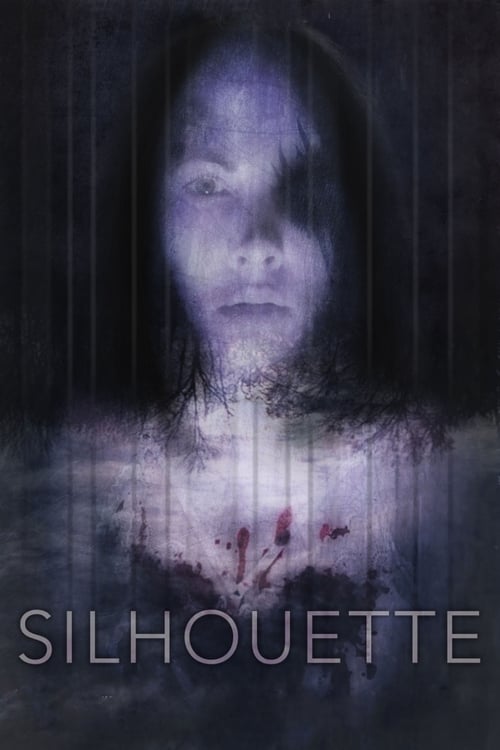
When grief is suppressed until it becomes a demon, Silhouette is a horror film that takes us back to explore the emotional wounds of a family after losing their little daughter. The film does not focus on jump scares but slowly builds an uncomfortable atmosphere through shadows and whispers. It is a work that may not appeal to fans of jump-scare horror but has charm for those who enjoy psychological storytelling.
Plot Summary (No Spoilers)
The story of Jack and Amanda Harms, a couple who lost their young daughter. They decide to move to a secluded house in the woods to start a new life. But as soon as they arrive, the peace is shattered when the shadow of the past gradually appears: mysterious sounds, hallucinations, and supernatural events that seem to haunt them. The film unfolds slowly, revealing the rift within the family and the truth that what haunts them may not just be ghosts but the sins of the past they try to forget.
Acting and Characters
April Hartman as Amanda conveys fragility and the effort to be strong well. She expresses guilt and grief through her eyes and body language. Tom Zembrod plays Jack, who seems repressed and distant, making the audience feel the distance between a crumbling couple. Savannah Solsbery as their daughter Sarah, though with limited screen time, evokes sympathy. Supporting actors like Jessica Dawn Willis and Kim Foster add a dimension of fear that is unclear whether real or hallucination. However, some dialogues feel forced and unnatural, slightly disrupting emotional engagement.
Direction, Cinematography, and Music
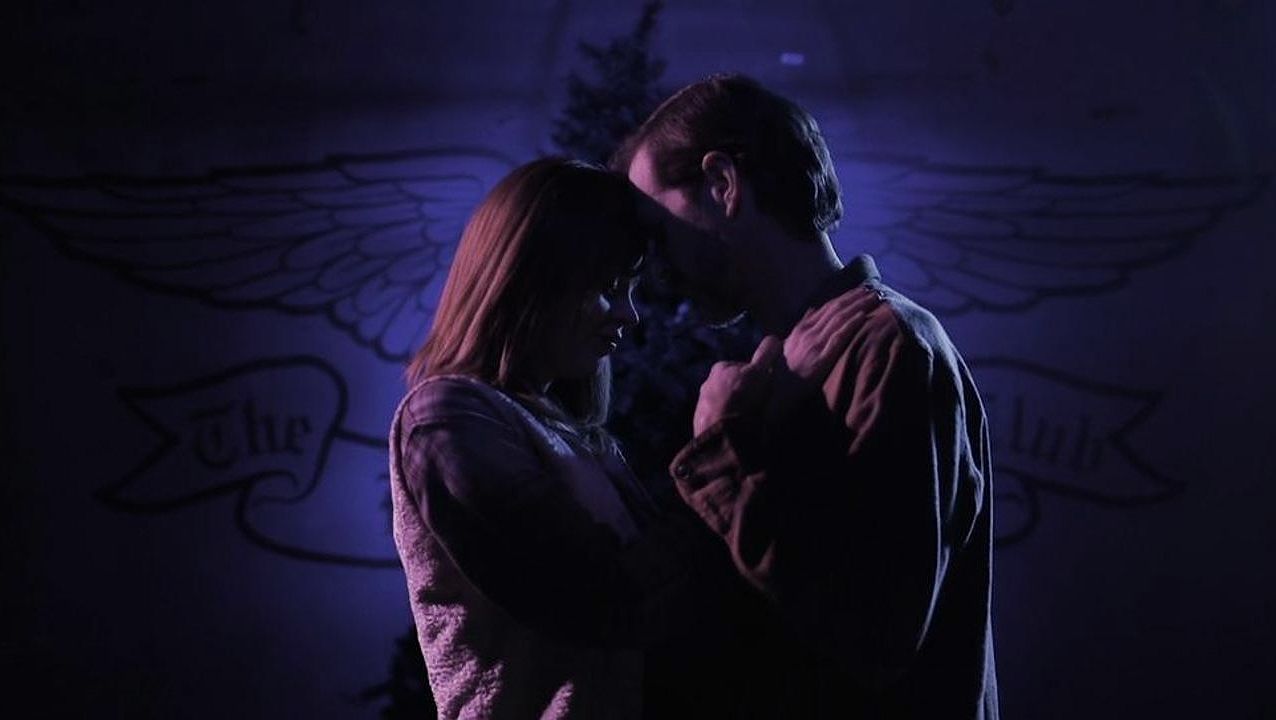
Mitch McLeod directs with sophistication, using tight shots and lighting to create discomfort. Most of the film is shot in a dark, gloomy house, using silhouettes as symbols of haunting memories. The cinematography, while not outstanding, effectively conveys emotion. The music is simple but emphasizes ambient sounds like wind and creaking wood, enhancing the slow-burn horror. However, the pacing is too slow for some, potentially causing boredom in the middle.
Editorial Analysis
Silhouette is not a typical horror film but a psychological drama that uses horror as a tool to explore grief and guilt. The film questions whether when we try to escape the past, it follows us in the form of shadows—things we cannot see clearly but feel constantly. The film's strength lies in its oppressive atmosphere and serious performances, but its weakness is the sometimes drawn-out script and an ending that may be too ambiguous for those expecting a supernatural explanation. However, for those who enjoy slow-burn horror focusing on emotion and symbolism, Silhouette may be a memorable experience. In a diverse world of entertainment, this film reflects that true fear often comes from within, just like in av ญี่ปุ่นคุณภาพสูง which often presents complex human relationships in different forms.
Verdict
Silhouette is a horror film suitable for those who enjoy slow-burn, atmospheric, and symbolic films rather than frightening ghost stories. If you are a fan of psychological films and don't mind a narrative that requires patience, Silhouette may offer a rewarding experience. But if you prefer thrilling and clear-cut horror, skip this one.
Screenshots
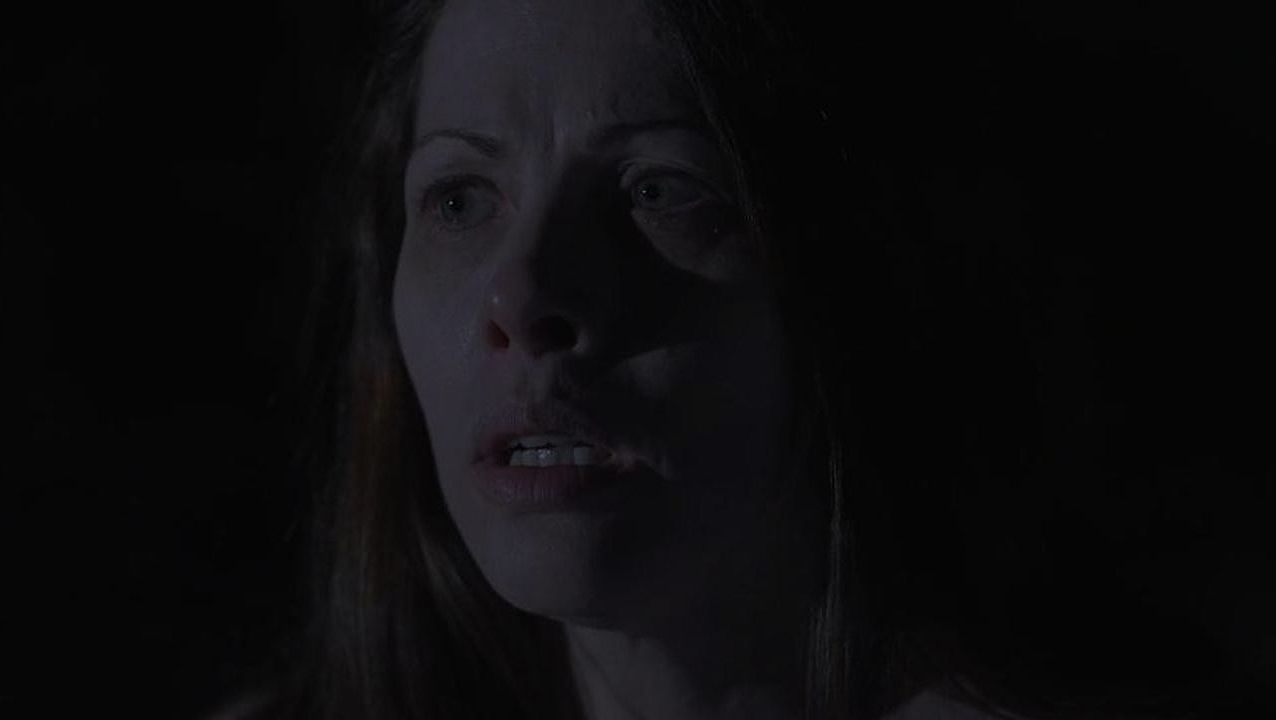
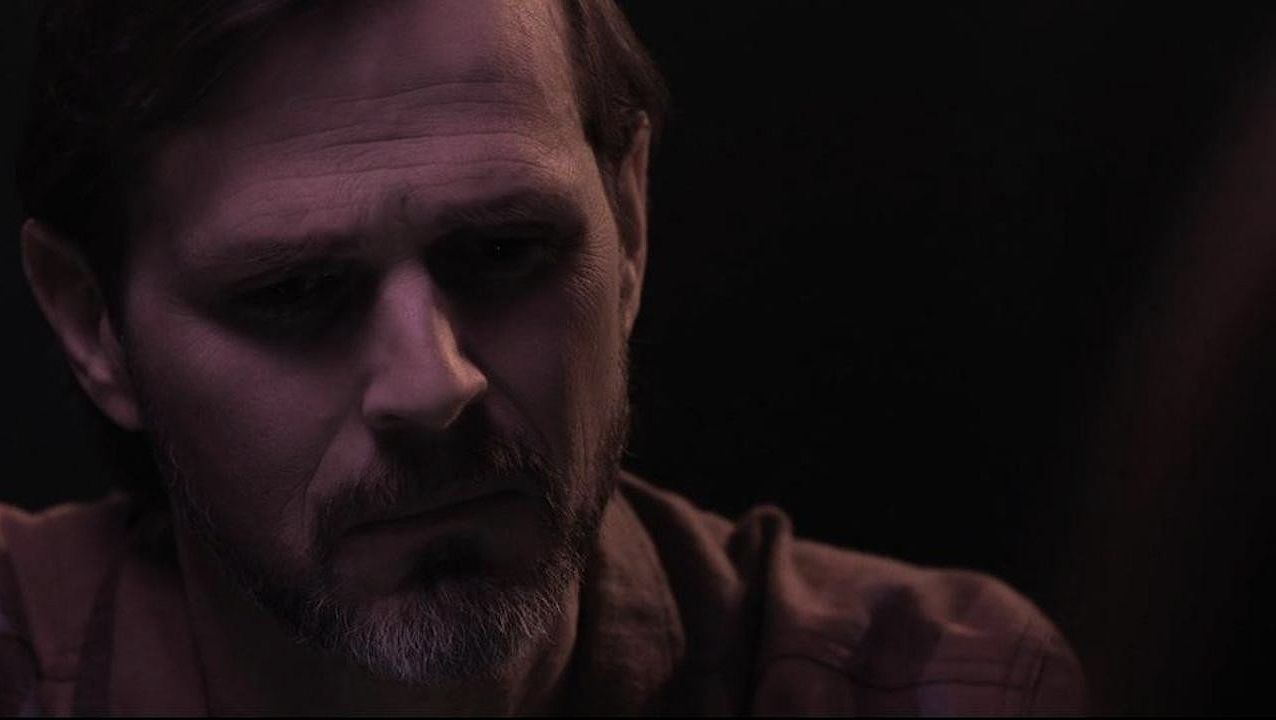
👍 Pros
- +Oppressive and quiet atmosphere creates discomfort effectively
- +April Hartman's performance deeply conveys sadness and fear
- +Use of silhouette symbolism to represent inner trauma is interesting
👎 Cons
- −Pacing is too slow, may cause boredom
- −Some dialogues feel unnatural
- −Ambiguous ending does not satisfy those who prefer clear explanations
Top Cast


FAQ
Silhouette is more of a psychological horror film than a real ghost story, focusing on exploring the characters' grief and guilt.
Very few. The film emphasizes atmosphere and discomfort over jump scares.
Not difficult, but you need patience as the film is slow-paced and emotional. Those who like slow-burn horror will likely enjoy it.
The ending is open to interpretation, not clearly revealing whether it is supernatural or psychological.